


Choosing the Right BBL Pillow Material | BBL Recovery Guide
Brazilian Butt Lift (BBL) has become an incredibly popular cosmetic procedure over the years...
Read more

The Complete Patent Collection

Patent #1 · Health & Beauty
The bombshell BBL pillow for car is a 15.5" × 9" × 4" (39.4 × 22.9 × 10.2 cm) patented wedge pillow recommended by surgeons. It lifts your buttocks off the seat and rest your weight on your upper thighs...

Patent #2 · Health & Beauty
Experience ultimate comfort anywhere with the Bombshell XXL Multipurpose BBL Pillow For Sitting—the versatile driving, gaming, office work, and travel BBL Pillow after surgery. This extra-large ergonomic wedge pillow (18" x 12" x 6.5") features a high-back, low-front design that...

Patent #3 · Health & Beauty
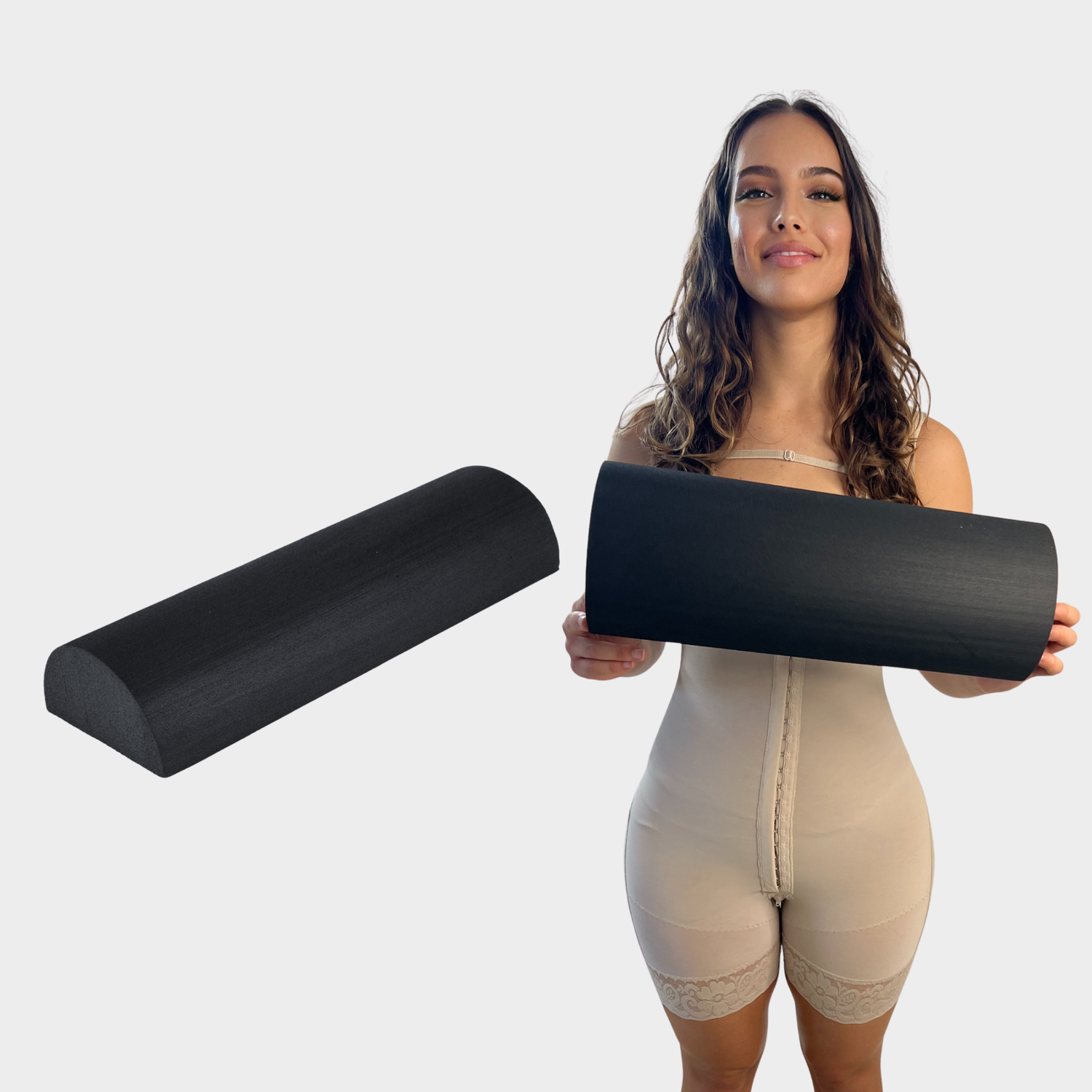
Enhance your BBL recovery with the My Booty Brazilian buttock lift pillow Kit. Includes BBL pillow, compression board, lipo foam, & more. Shop Now! Product Description: Experience a more comfortable and efficient BBL recovery with the My Booty BBL Pillow...

Patent #4 · Health & Beauty
Patented BBL Pillow — The Surgeon-Recommended Way to Sit After a Brazilian Butt Lift. After a Brazilian Butt Lift, sitting directly on your results can flatten fat grafts and undo your BBL surgery. Bombshell's patented BBL pillow solves the exact problem...
BBL pillows are foam cushions that shift your weight from your buttocks to your upper thighs when you sit after a Brazilian Butt Lift (BBL, gluteal fat transfer). Many surgeons advise pillow-supported sitting for 6 to 8 weeks, and Bombshell Booty Pillow holds 4 U.S. design patents on its BBL pillow designs.
Newly transferred fat needs time to establish a blood supply, and sustained pressure can reduce blood flow to it. The American Society of Plastic Surgeons advises avoiding prolonged sitting for about 2 weeks, with some surgeons preferring longer, and placing a cushion behind the legs to raise the buttocks when you must sit.
This collection has five BBL pillows:
Recovery timelines vary by individual and procedure. Always follow your surgeon’s specific post-operative instructions. Bombshell BBL pillows are recovery comfort aids, not medical treatments or devices.



The Patent Difference
Why 20,000+ patients trust the world's only patented BBL pillow brand. Not all BBL recovery Pillows are Created Equal
| Feature | Best Choice Bombshell Booty Pillow™ | Generic BBL Pillows | Regular Foam Cushion |
|---|---|---|---|
| US Patent-Protected Design | ✓ 4 Patents | X None | X None |
| Plastic Surgeon Recommended | ✓ Endorsed | X Not endorsed | X No |
| Patented Fat-Graft Cutout System | ✓ Yes | X Basic only | X None |
| Dedicated Travel Model | ✓ Patent #2 | X One-size | X No |
| Dedicated Office / Desk Model | ✓ Patent #4 | X No | X No |
| Stage-Specific Recovery Design | ✓ 4 phases | X One-size-fits-all | X N/A |
| 30-Day Satisfaction Guarantee | ✓ Yes | X Varies | X No |
| Verified 20,000+ Patient Results | ✓ 20K+ | X Unverified | X N/A |


Personalized Recovery Matching
4 Questions about your surgery stage and lifestyle, the exact patented design your recovery demands.
Step 1 of 4
Step 2 of 4
Step 3 of 4
Step 4 of 4
Your Match
Based on your answers, this is the best match for protecting your results and supporting recovery.
No product has been assigned to the selected answers yet. Please update the answer settings in the Shopify editor.

The #1 BBL Recovery Resource
Every other seller ships a a foam block and calls it a "BBL recovery pillow" We hold 4 patents real granted verifiable engineering built specifically to protect fat graft survival during recovery window that determines your final results.

Stage-Specific Recovery Engineering
Days 1–7
Critical fat survival window. Classic Pillow™ eliminates all direct pressure on transfer zones from your very first sit.
Weeks 2–3
Swelling reduces but protection remains critical. At-Home Pillow™ supports extended seated periods comfortably.
Weeks 3–4
Re-enter professional life confidently. Office Pillow™ fits all standard chairs for full-day graft protection.
Weeks 5–8
Resume travel and daily life. Travel Pillow™ goes everywhere — flights, cars, restaurants, and beyond.
The Investment That Protects Your Investment
You invested $5,000–$15,000 in your transformation. The Brand with 4-patented BBL Pillows and Our BBL recovery Kits starts at $89.99. The most important purchase decision in your entire BBL recovery journey.

The world's only brand with 4 patented BBL pillow designs. The global standard in BBL recovery - trusted by 20,000+ patients and recommended by board-certified plastic surgeons in 40+ countries.